


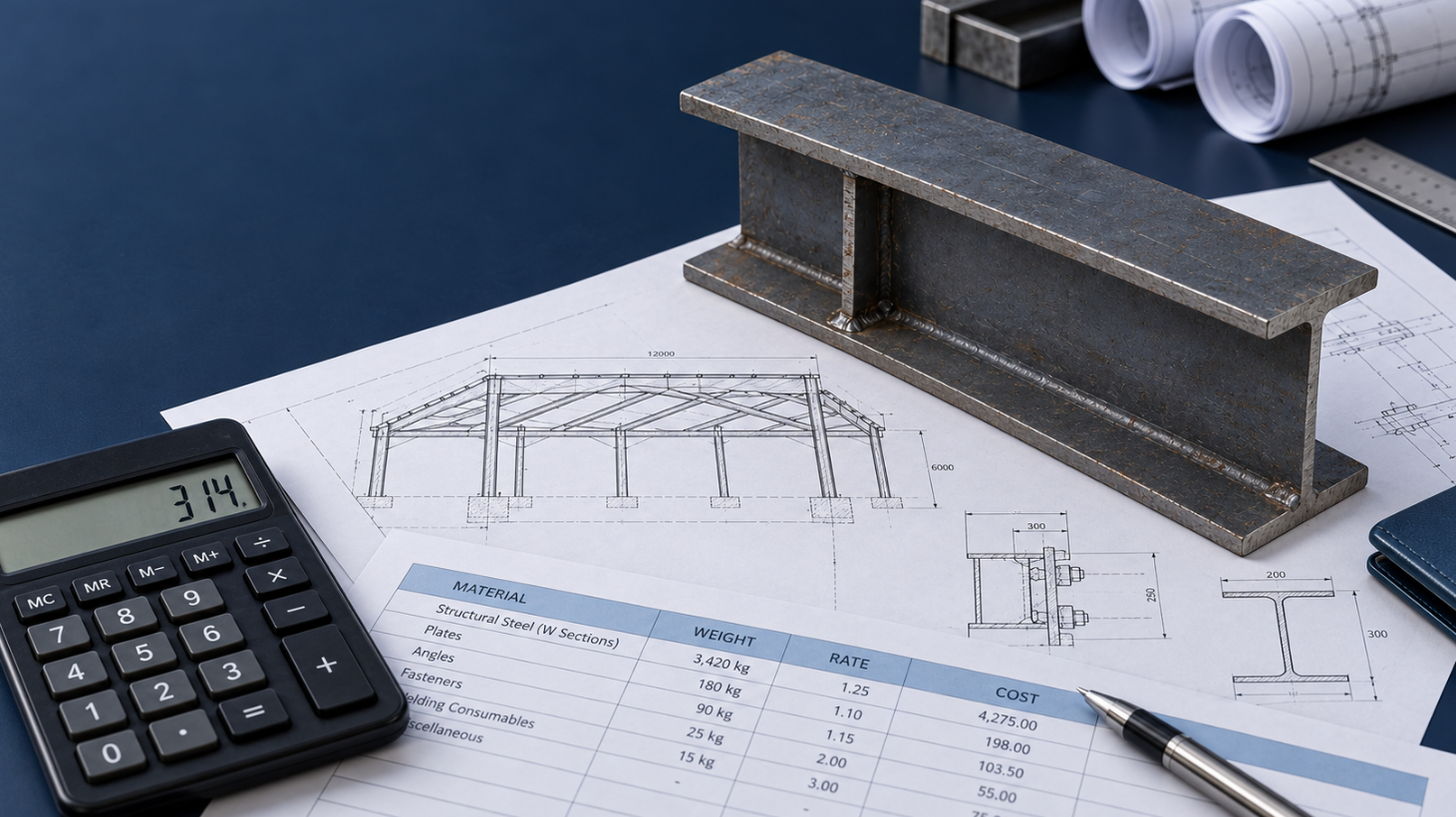
A reliable steel structure starts long before the first beam arrives on site. Material selection, connection detailing, welding, surface treatment, and delivery planning all influence the performance and cost of the completed frame.
For buyers, this makes structural steel fabrication more than a purchase based on tonnage. An accurate quotation must reflect the work required to turn steel plates and sections into components that can be transported, assembled, and maintained efficiently.
At HHY Steel Structure, we supply fabricated steelwork for warehouses, industrial workshops, platforms, and equipment support structures. Our manufacturing scope includes welded H-sections, beams, columns, bracing, and connection components, with surface treatment and export packing according to project requirements.
Understanding how these components are produced—and how their costs are calculated—helps buyers make better procurement decisions.
What Does Structural Steel Fabrication Include?
Structural steel fabrication converts steel plates, rolled sections, and hollow sections into load-bearing components manufactured to approved drawings.
A typical package may include:
- Steel columns, beams, and portal frames
- Roof trusses and structural bracing
- Base plates, end plates, and stiffeners
- Platforms, stairs, and equipment support frames
- Connection plates and other specified accessories
Each structural steel product has its own manufacturing requirements. A rolled beam with simple end connections requires different operations from a welded plate girder or a truss containing numerous individual members.
This is why professional structural steel fabricators review component geometry, connection details, welding requirements, and inspection scope before confirming a price.
For a steel construction company purchasing an overseas fabrication package, clearly defining these requirements also helps coordinate factory production with local installation.
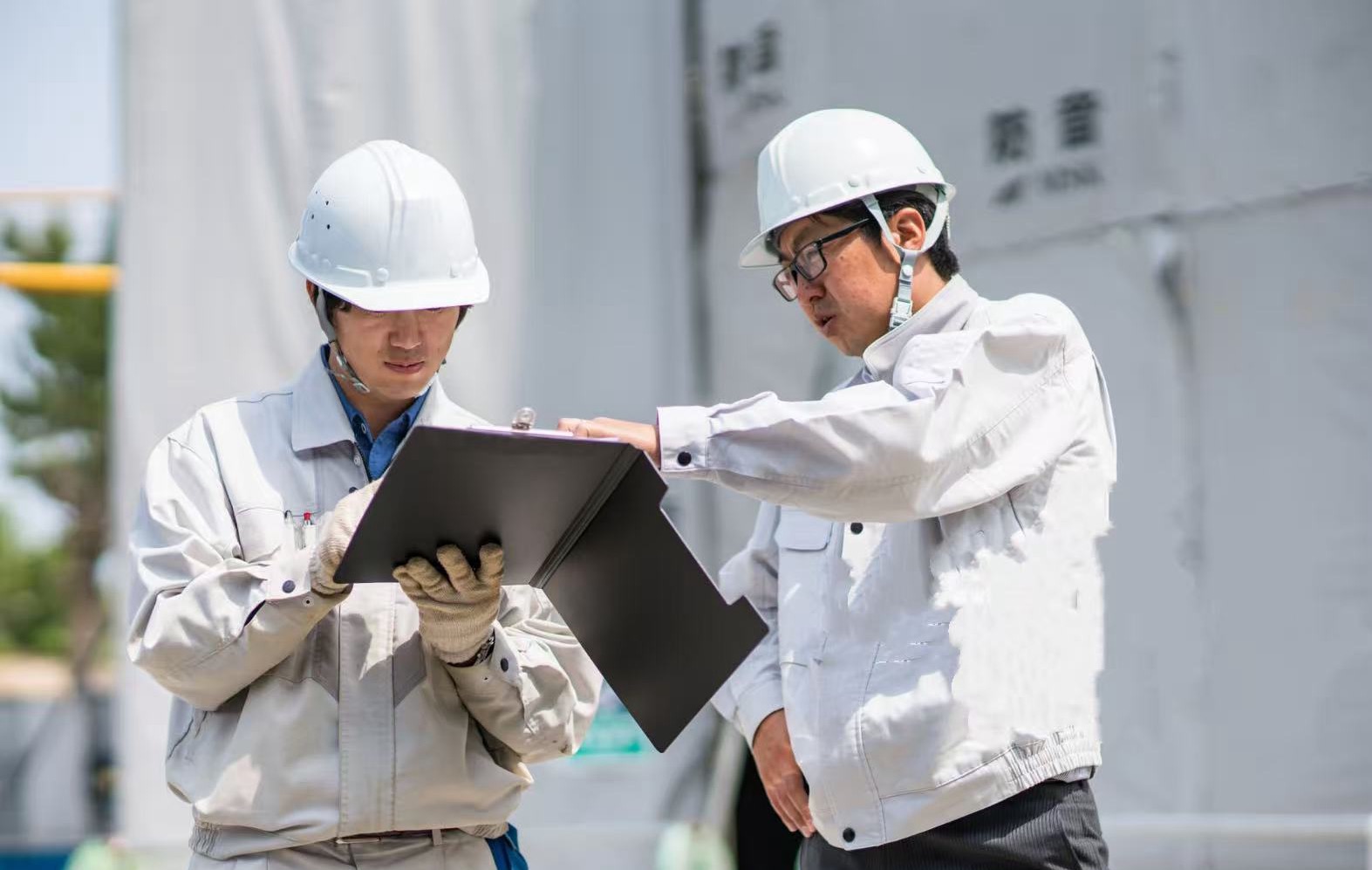
How Does HHY Approach the Steel Structure Fabrication Process?
1. Drawing Review and Scope Confirmation
Effective steel structure fabrication begins with a coordinated set of drawings and specifications.
Before production, the technical review should confirm:
- Structural dimensions and component quantities
- Material grades and section sizes
- Connection details and bolt-hole requirements
- Weld types, sizes, and inspection requirements
- Surface preparation and protective coatings
- Transport dimensions and delivery sequence
For export projects, shipping requirements should be considered during this stage. Long columns, deep trusses, and large assemblies may require an approved division into transportable sections.
Any proposed change to member sizes, materials, or structural splices should be reviewed and approved by the responsible designer before fabrication.
2. Material Procurement and Traceability
Material selection affects structural performance, weldability, procurement cost, and production scheduling.
Steel plates and sections must match the specified grade, dimensions, and delivery requirements. Material certificates should be checked against the purchase specification, with identification maintained through production to the extent required by the project.
Where the original design uses sections that are difficult to source, HHY can review manufacturing options such as welded H-sections or available alternative profiles. Acceptance depends on the designer’s review of dimensions, material properties, and connection compatibility.
A similar section depth or weight alone does not establish equivalence.
3. Cutting, Drilling, and Plate Preparation
After material verification, plates and sections are processed according to fabrication drawings.
In structural steel and plate fabrication, this stage can include cutting to length, profiling plates, drilling bolt holes, preparing weld edges, and identifying individual parts.
Processing requirements directly affect production cost. A rectangular base plate with four holes requires less work than a thick connection plate with multiple openings, bevelled edges, and attached stiffeners.
Material utilization also matters. Cutting layouts should consider available plate sizes, section lengths, cutting allowances, and usable remnants to control purchasing quantities.
4. Assembly and Welding
Prepared components are positioned, fitted, and checked before welding.
For welded H-sections, web and flange plates must be assembled to the specified geometry. Beams and columns may also require end plates, stiffeners, brackets, or splice components.
Welding must follow the applicable approved procedures and project requirements. Fit-up, welding sequence, and distortion control help achieve the required dimensions and connection quality.
In industrial steel fabrication, unnecessary weld volume can add substantial work. Larger welds consume more welding material and production time, while additional heat can increase distortion. Weld requirements should therefore be determined by the design and applicable specifications.
5. Inspection and Dimensional Verification
Inspection confirms that fabrication meets the agreed requirements before components leave the factory.
Checks may include material identification, component dimensions, hole positions, member straightness, weld appearance, and specified nondestructive testing.
The testing method and examination extent should be defined during quotation. Visual inspection, magnetic particle testing, ultrasonic testing, and radiographic testing serve different purposes and should not be treated as interchangeable requirements.
Accurate dimensions are equally important. Misaligned holes or incorrect connection geometry can interrupt installation even when the steel and welds satisfy their specified requirements.
6. Surface Treatment and Export Packing
The protective system should match the service environment and project specification.
Depending on the application, steelwork may receive a specified paint system or hot-dip galvanizing. The quotation should identify surface preparation, coating products, required thicknesses, and inspection scope. Fire protection should be separately defined where required.
After inspection, components are marked and packed for transport. Clear identification and an agreed loading sequence help the receiving contractor locate members and organize site assembly.
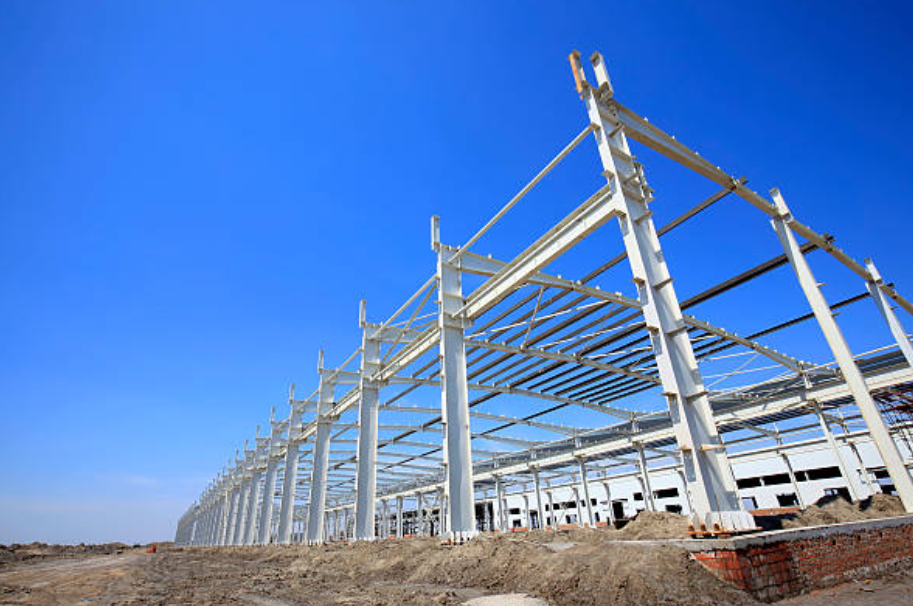
How Do You Estimate Structural Steel Fabrication Costs?
A useful estimate separates material costs from manufacturing, protection, inspection, and delivery.
Estimated fabrication supply cost = Material cost + Fabrication cost + Surface treatment + Inspection and documentation + Detailing + Packing and transport + Applicable overhead and margin
The exact breakdown depends on the supplier’s quotation format. The objective is to define the complete scope and avoid omissions or double counting.
Calculate the Steel Quantity
For rolled sections:
Weight (kg) = Unit weight (kg/m) × Length (m) × Quantity
For rectangular steel plates:
Weight (kg) = Length (m) × Width (m) × Thickness (m) × 7,850
For example, a plate measuring 2.0 m × 1.0 m × 0.02 m has a theoretical weight of:
2.0 × 1.0 × 0.02 × 7,850 = 314 kg
For shaped plates, use the actual calculated area rather than the surrounding rectangle when determining net component weight.
The material take-off should include connection plates, stiffeners, bracing, and other specified components. Bolts and accessories should also appear in the purchasing scope, using their agreed measurement basis.
Net finished weight differs from purchasing weight. Cutting losses, stock lengths, and plate layouts affect the quantity of raw material required.
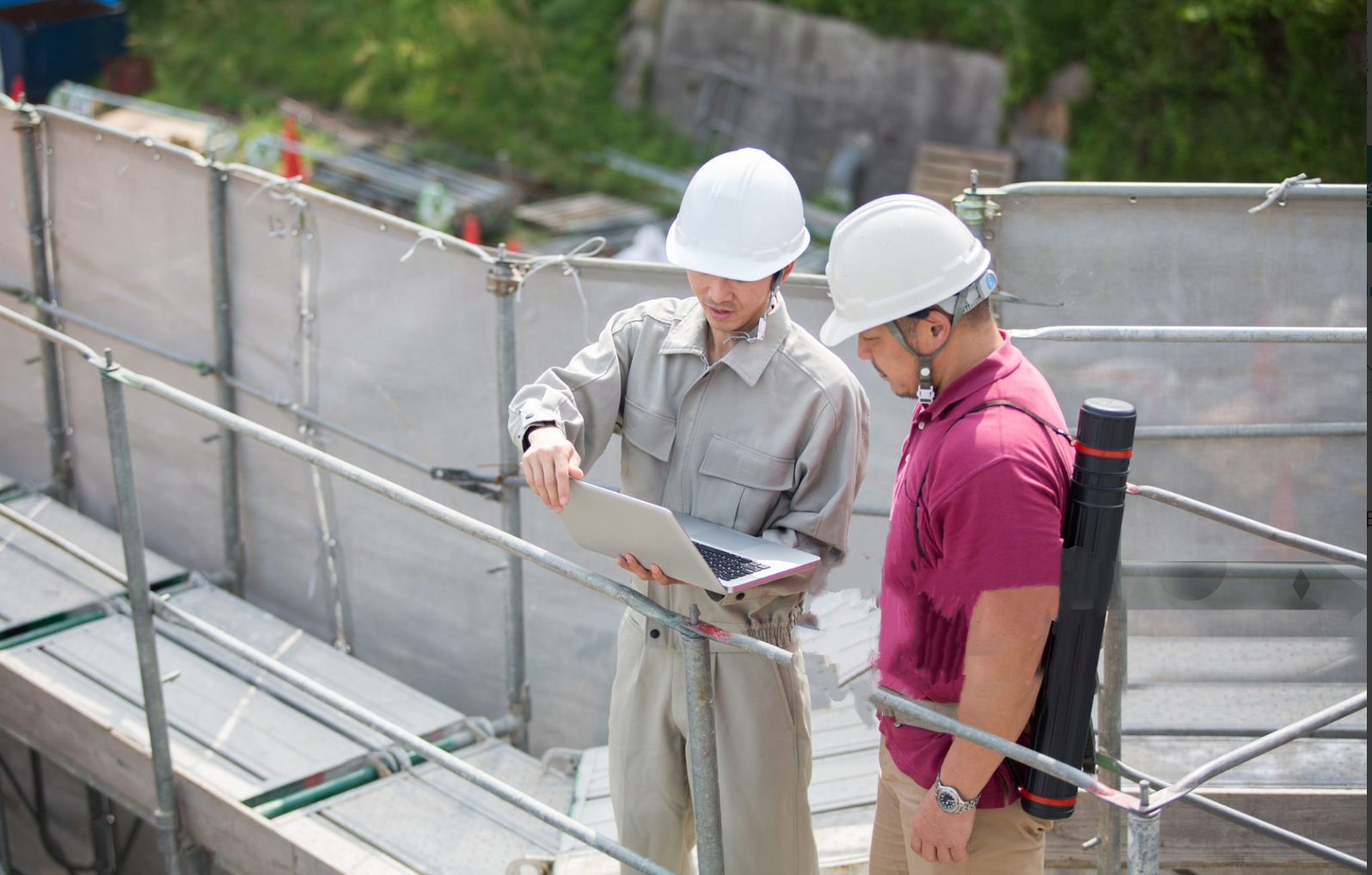
Estimate Fabrication by Component Type
A single rate per tonne can support an early budget, but it should reflect the expected component mix.
| Component | Main cost considerations |
|---|---|
| Rolled beams and columns | Cutting, drilling, handling, and connection attachments |
| Welded H-sections | Plate preparation, assembly, welding, and straightening |
| Trusses | Number of parts, joint complexity, and assembly time |
| Platforms and stairs | Numerous small pieces, connections, and finishing operations |
| Thick connection plates | Cutting, drilling, edge preparation, and inspection requirements |
For detailed pricing, estimated labor hours, machine time, consumables, and factory overhead provide a stronger basis than tonnage alone.
Calculate Surface Treatment Costs
Painted steelwork is often assessed using surface area because coating consumption and application work depend on the area being treated.
Surface treatment cost = Treatment area × Agreed rate per square metre
The rate must relate to a defined preparation and coating specification. Two structures of equal weight can have different surface areas and therefore different coating costs.
Where galvanizing is quoted by weight, confirm the supplier’s charging basis and any additional requirements for component preparation, handling, or transport.
Add Delivery and Site Installation
The factory supply price is only one part of an installed project budget.
Estimated installed cost = Fabricated steel supply + Delivery and import costs + Site erection + Other applicable project costs
Site costs can include unloading, cranes, access equipment, installation labor, temporary bracing, surveying, field connections, and coating repairs.
For international purchasing, the quotation should clearly state the delivery term and identify which freight, handling, insurance, customs, and destination charges are included.
Why Can Equal Steel Tonnages Have Different Prices?
Steel weight measures material quantity. It does not measure manufacturing effort.
A repetitive warehouse frame containing relatively few components can require less work than an equally heavy platform structure containing many short members, brackets, and complicated connections.
The most significant differences often come from:
- Number of individual pieces
- Connection complexity and hole quantities
- Weld sizes, lengths, and accessibility
- Material grades and thicknesses
- Inspection and coating specifications
- Transport dimensions and delivery requirements
Consequently, the lightest design is not automatically the least expensive to manufacture and install. Subject to engineering approval, a heavier member with simpler connections may reduce total project cost.
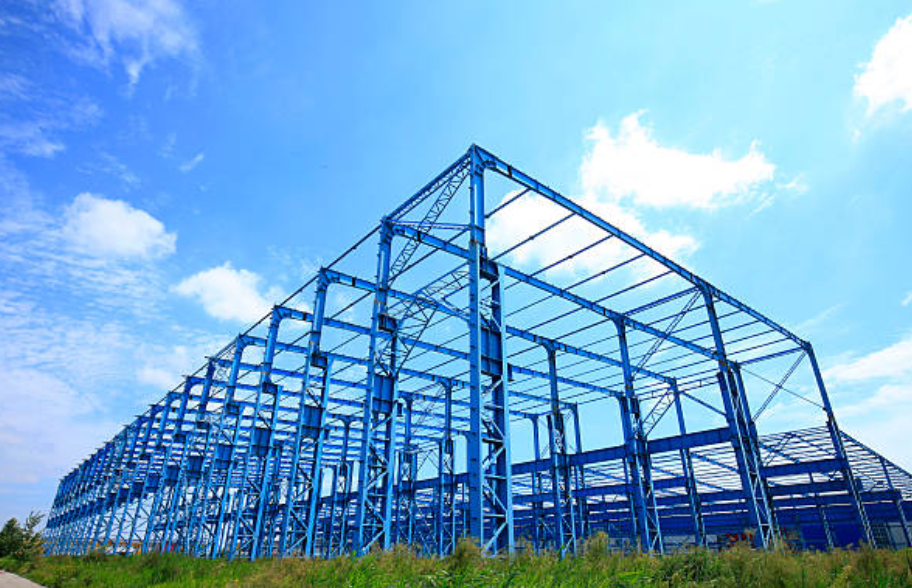
The objective is to optimize the complete steel package rather than minimize one quantity.
How Can Buyers Reduce Costs Without Compromising Requirements?
Cost control works best before production begins.
Repeated member sizes and connection details can simplify purchasing, detailing, assembly, and inspection. Coordinating transport splices early can also avoid late changes and difficult shipping arrangements.
Buyers should provide the same technical information to all bidding suppliers. Otherwise, apparently competitive offers may cover different materials, testing levels, coatings, or accessories.
For broader metal fabrications, such as platforms, stairs, handrails, and equipment supports, identify these items separately from the main frame. This makes quantities and responsibilities easier to verify.
Late drawing revisions can affect purchased material and completed work. A clear approval process helps control both cost and schedule.
How Should You Compare Structural Steel Contractors?
Different companies may cover different stages of a project.
Structural steel fabricators manufacture components. Steel erection companies assemble those components on site. Some structural steel contractors manage both services, while others provide a defined supply or installation package.
Before comparing prices, confirm responsibility for:
- Fabrication drawings and connection design, where applicable
- Materials, bolts, and accessories
- Welding and inspection
- Protective treatments
- Packing, delivery, and unloading
- Temporary works and site erection
A lower quotation may represent a smaller scope rather than a lower cost for the same work.
Searching for “Structural Steel Fabricators Near Me” or “Steel Erectors Near Me”?
Local availability can be valuable for site visits, installation coordination, and short delivery distances.
For projects considering international procurement, buyers can also assess overseas fabrication combined with qualified local erection support. The decision should consider landed cost, technical coordination, delivery time, and the capabilities of the installation team.
When separate fabrication and erection companies are involved, they should coordinate component weights, shipping divisions, connection details, identification marks, and delivery sequences before manufacturing starts.
This coordination connects factory steel work with practical site requirements.
Request a Structural Steel Fabrication Quotation from HHY
HHY Steel Structure supplies fabricated steel components for warehouses, industrial workshops, platforms, and equipment support structures.
Our scope includes welded H-sections, beams, columns, trusses, bracing, and connection components, together with agreed surface treatment, inspection documentation, and export packing.
To request a quotation, send us:
- Structural drawings, a material list, or a coordinated model
- Material grades and project specifications
- Welding and inspection requirements
- Coating or galvanizing requirements
- Delivery destination and required schedule
If your project is still at the planning stage, provide the building dimensions, intended use, location, and available design information. HHY can review the inquiry and identify the information needed to develop an appropriate fabrication scope and budget.
Contact HHY Steel Structure to discuss your next project:
www.hhysteelstructure.com

