


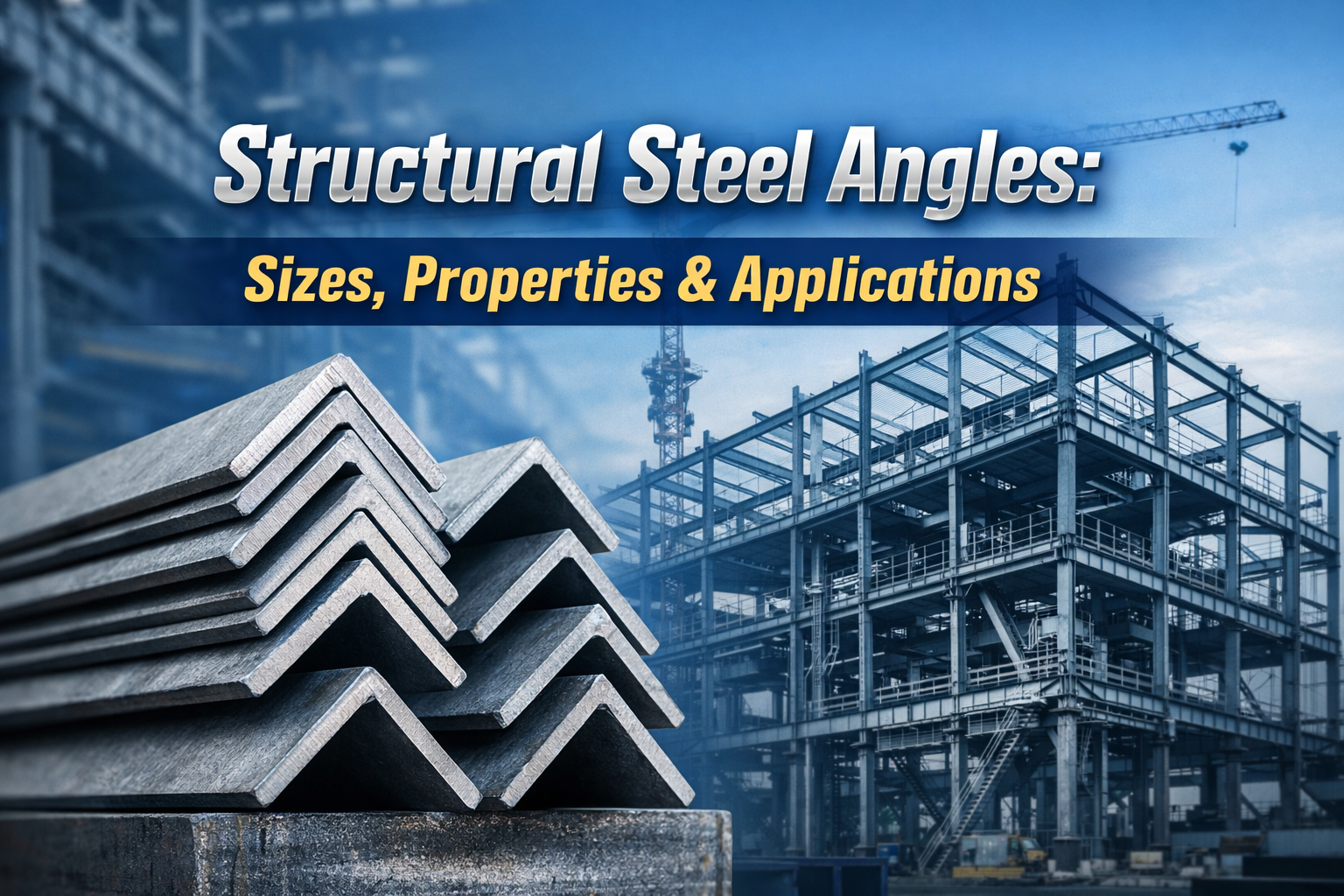
Structural steel angles are critical load-bearing components widely used in modern steel structures. As L-shaped steel sections, they play a vital role in transferring loads, stabilizing structural systems, and ensuring long-term structural performance. Steel angles are extensively applied in frames, bracing systems, columns, beams, and connection details where both strength and geometric efficiency are required.
At HHY Steel Structure, structural steel angles are produced with strict control over material properties, dimensional accuracy, and fabrication quality to meet the technical demands of industrial, commercial, and infrastructure projects.
This article examines the engineering principles and technical characteristics that make structural steel angles an indispensable element in modern construction.
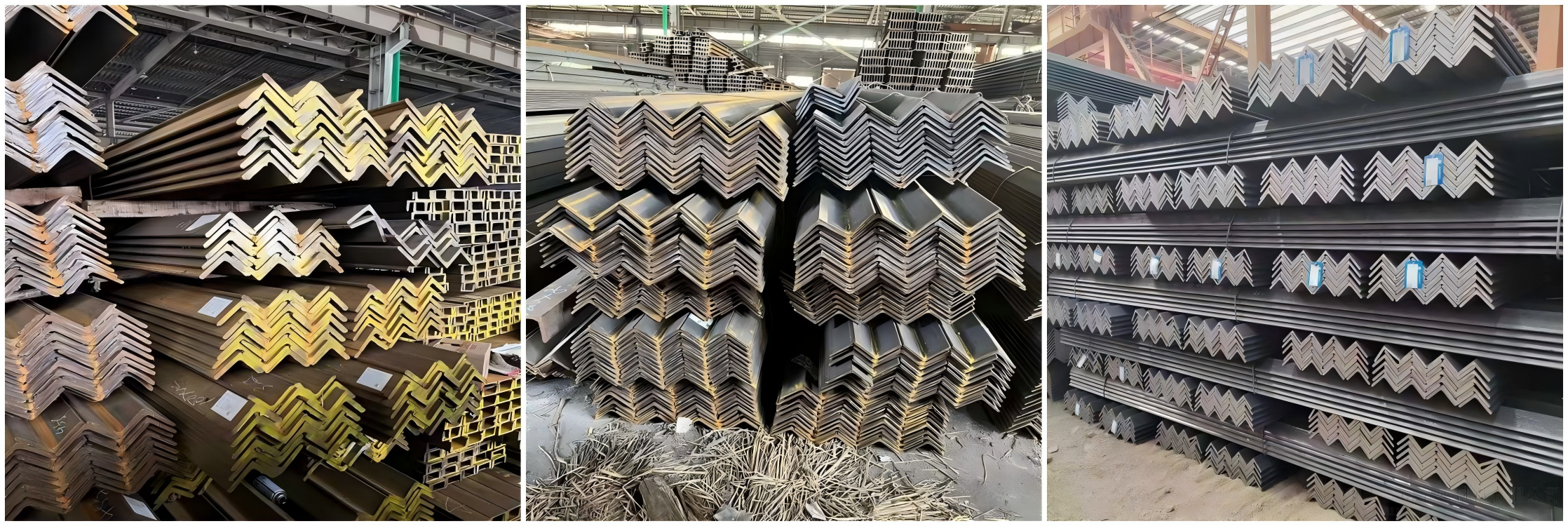
Structural Steel Angles: Definition and Classification
Structural steel angles are hot-rolled or fabricated L-shaped sections designed to work efficiently under axial force, bending moment, and torsional effects. Based on leg dimensions and structural function, steel angles are generally classified into:
-
Bar Angles – Typically with leg sizes below 3 inches, used for secondary members, light framing, and connection reinforcement.
-
Structural Angles – With leg sizes exceeding 3 inches, designed for primary structural applications and higher load demands.
Angles may be manufactured with equal or unequal legs, allowing engineers to optimize load paths and connection behavior. Common material grades include ASTM A36, ASTM A572 Grade 50, and equivalent international standards, selected according to structural design requirements.
Engineering Principles Governing Structural Steel Angles
Load Transfer and Structural Interaction
Structural steel angles are designed to efficiently transfer loads between connected members. Their geometry enables effective force redistribution within frames and bracing systems, reducing stress concentrations at joints and contributing to overall structural robustness. This behavior is particularly important in lateral load-resisting systems where stability is critical.
Resistance to Bending and Torsional Effects
The asymmetric L-shaped cross-section provides inherent resistance to bending about both principal axes. When used as beams, braces, or edge members, steel angles perform reliably under combined loading conditions. Their geometry also enhances torsional resistance, making them suitable for applications where eccentric loading or asymmetric connections are present.
Material Performance and Design Reliability
Structural steel angles rely on carefully selected material grades to ensure predictable mechanical behavior. High-strength structural steels provide sufficient yield strength, ductility, and toughness, allowing angles to perform safely under service and ultimate limit states. Proper material selection directly influences structural reliability and service life.
Technical Characteristics of Structural Steel Angles
Efficient L-Shaped Section Geometry
The L-shaped profile forms two perpendicular load-resisting legs, creating an efficient section for resisting axial forces and bending moments. This geometry supports effective load sharing and contributes to both local and global stability of steel structures.
High Structural Efficiency Under Bending
Steel angles exhibit strong bending resistance relative to their weight, making them suitable for beams, edge supports, and secondary framing members. This efficiency allows engineers to achieve structural performance while optimizing material usage.
Adaptability in Structural Design
Structural steel angles offer excellent design flexibility. They can be used as standalone members or combined into built-up sections to meet higher strength and stiffness requirements. This adaptability makes them suitable for a wide range of structural systems and architectural configurations.
Fabrication Accuracy and Constructability
Steel angles are easy to fabricate with high dimensional accuracy. Cutting, drilling, welding, and assembly can be performed efficiently, ensuring reliable fit-up during installation. Good constructability reduces on-site adjustments and improves overall project execution efficiency.
Long-Term Cost and Performance Optimization
By balancing mechanical performance, fabrication efficiency, and material availability, steel angles provide a cost-effective structural solution. Their reliability and ease of maintenance contribute to reduced lifecycle costs and long-term structural performance.
HHY Steel Structure: Engineering-Focused Steel Solutions
HHY Steel Structure specializes in the manufacturing and processing of structural steel products, including high-quality structural steel angles. Our production and processing capabilities are designed to support structural performance, durability, and compliance with international standards.
Our services include:
-
Precision cutting and structural fabrication
-
Surface treatment including galvanizing, blasting, and painting
-
Quality control and dimensional inspection
-
Secure packaging and international logistics
With extensive experience in steel workshops, industrial buildings, warehouses, and infrastructure projects, HHY Steel Structure delivers steel components engineered for performance and reliability.
Contact HHY Steel Structure today to discuss your project requirements or request a technical quotation.

